Settle In: Comfort as the Fast Lane to Lasting Habits

Today we explore The Neuroscience of Ease: How Comfort Speeds Habit Formation, translating lab insights into everyday routines. You will see how friction reduction, safe cues, and tiny rewards engage the basal ganglia, dopamine prediction signals, and memory consolidation, helping repetitions feel natural, repeatable, and surprisingly enjoyable until they become reliable parts of your identity.

Why the Brain Loves the Path of Least Resistance

Brains conserve energy by favoring actions that require fewer decisions, lower uncertainty, and minimal conflict. Predictive processing, effort discounting, and striatal gating quietly steer behavior toward options that feel easy and safe. When your environment reduces micro-obstacles, repetition accelerates, reinforcement lands more frequently, and neural circuits stabilize faster, converting deliberate choices into dependable routines.


Designing Environments That Nudge Without Noise

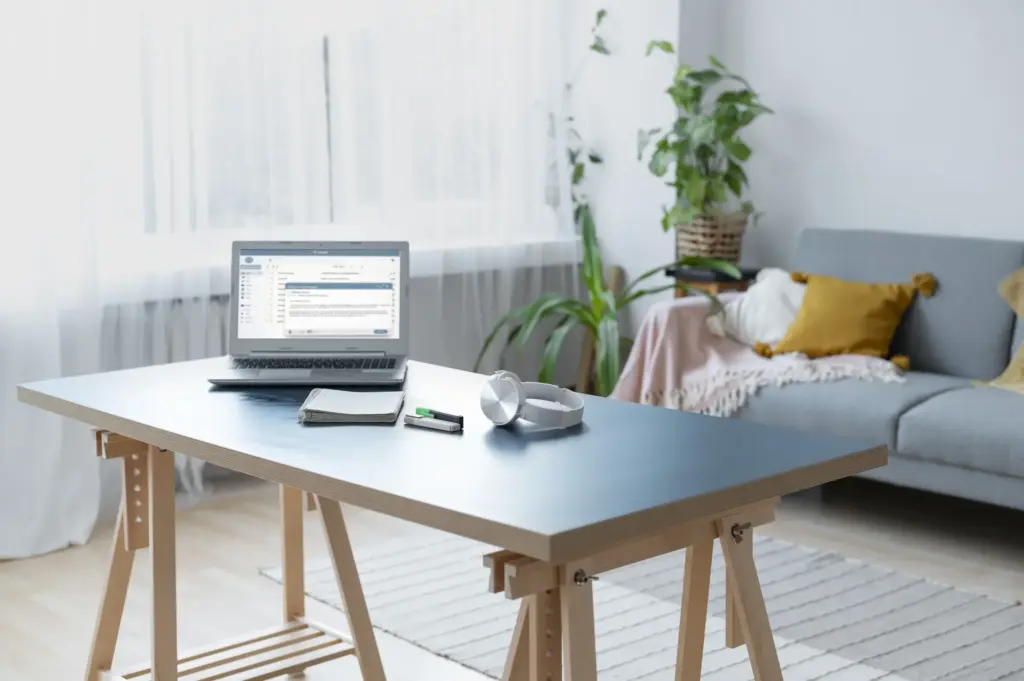
Small environmental edits outperform heroic motivation. When tools are visible, steps are obvious, and the first action is pleasant, initiation costs plummet. Conduct a friction audit at home and work, removing one snag each day. As fewer decisions clog the start, your desired behaviors begin sooner, repeat longer, and stabilize sooner.

Cue Clarity Beats Willpower

Place decisive prompts where your eyes naturally land: a water bottle beside the keyboard, a packed gym bag at the door, a floss pick on the sink. Clear cues reduce search time and hesitation, transforming intention into near-reflexive action before doubts negotiate you back into comfortable avoidance.

Reduce Steps, Reduce Drop-Offs

Each extra step invites abandonment. Pre-portion ingredients, preload apps, save default settings, and script the first tap or movement. By compressing the runway, you move from thinking to doing while motivation is still warm, preserving fragile momentum long enough for feedback to arrive and reinforce the loop.

Dopamine, Reward Prediction, and the Ease Advantage

Dopamine does not equal pleasure; it encodes learning about what to do next. Easy actions produce frequent completions, creating dense reinforcement schedules. When outcomes arrive quickly and predictably, reward prediction errors guide refinement faster. Pair comfortable setups with immediate feedback so your system confidently repeats the behavior without exhausting deliberation.

Starting Smaller Than Feels Reasonable

Big ambitions often collapse under their own weight. Shrinking the first action to a friendly, laughably easy version sidesteps resistance and accelerates repetition counts. The brain learns from frequency, not heroics. Two-minute openings, tiny anchors, and graceful stop-points keep you returning daily, compounding skill, confidence, and identity coherence.

Stories from the Comfort Lab: Real Wins

Field notes from busy people show how gentler setups transform stubborn intentions into dependable rhythms. By lowering entry barriers and adding small pleasures, they accumulated repetitions quickly enough to notice benefits. Their accounts invite you to borrow what resonates, adapt boldly, and share back so our community learns faster together.
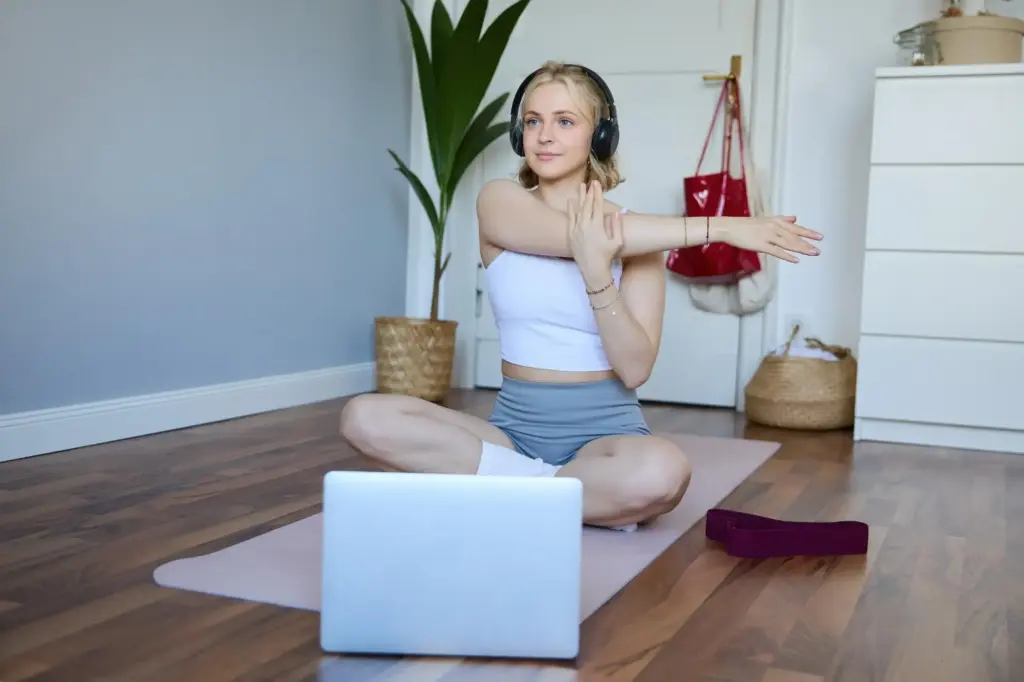
Amira quit snoozing by staging cozy socks, a mat unrolled, and sunlight on a gentle timer. Her routine began with two feel-good stretches, then walking in place while coffee brewed. Comfort made starting pleasant, starting made momentum, and momentum made consistency, which eventually delivered the energy she had chased directly.
Jin placed a paperback on the pillow each morning and a soft throw on the chair. At night, the path was frictionless: lamp clicks on, book opens, phone stays away. Ten pages felt easy, then irresistible, and within weeks he finished more books than in the previous quarter.
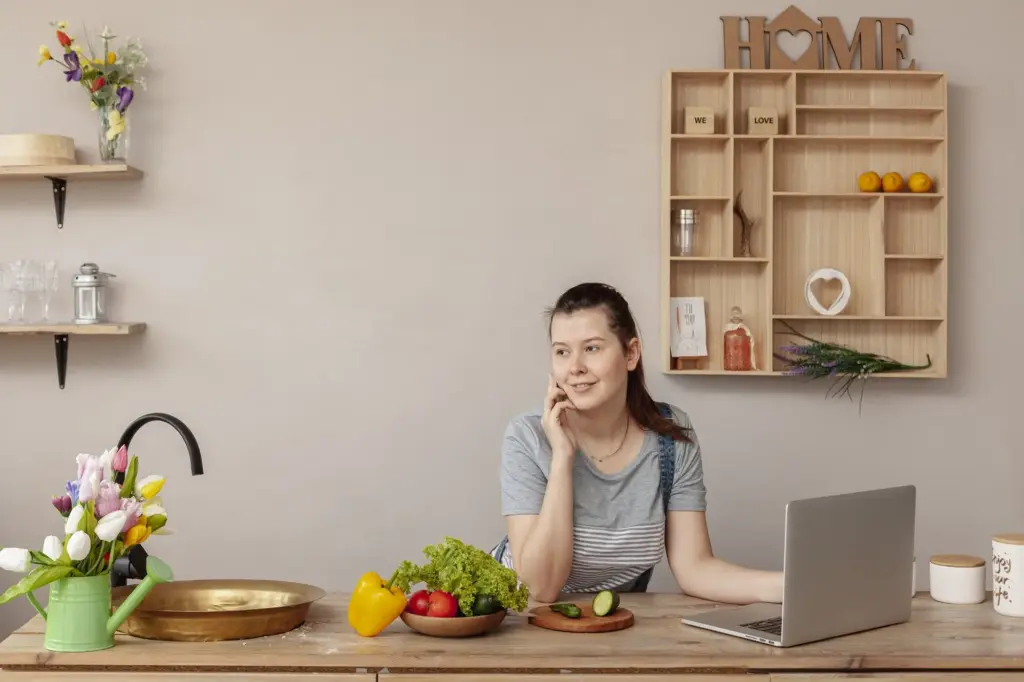
Priya rearranged the fridge so pre-washed greens and proteins sat eye-level, with a favorite dressing ready. She kept a cheerful bowl and sharp knife out, turning prep into a pleasant ritual. Because choices felt lighter and tastier, batch-cooking finally happened, and weekday lunches improved without any dramatic vows.

Sustaining Ease as Habits Evolve

As behaviors stabilize, gentle upgrades keep growth alive without reintroducing paralyzing friction. Nudge duration, density, or complexity by five to ten percent while preserving familiar cues and comfortable starts. Schedule periodic audits, refresh rewards, and retire cluttered steps so the kind path remains the obvious path, month after month.